What crown closure tells you that stem counts don't
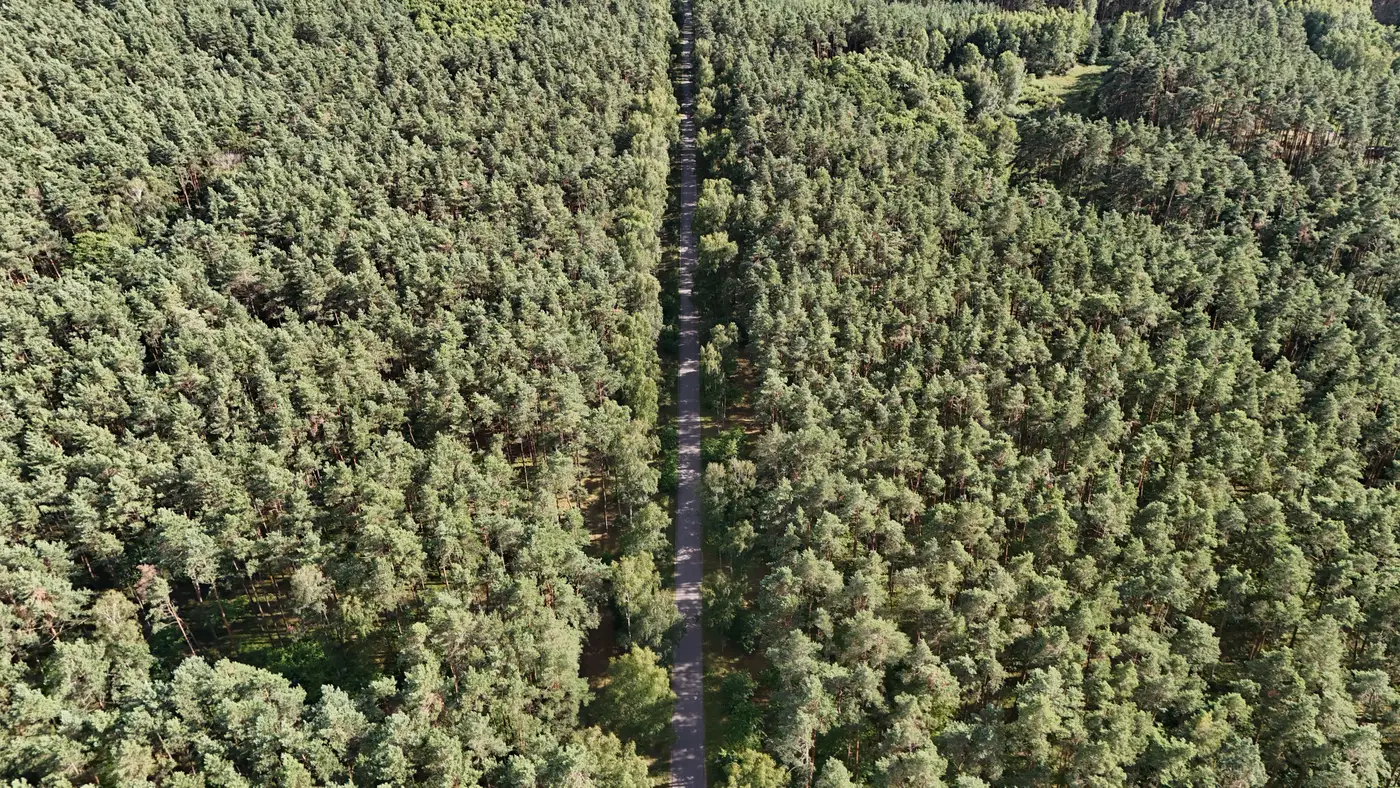
Crown closure is the percentage of a stand's ground area that falls under tree canopy when you look straight down on it. Foresters have used it since the plot-cruise era as a quick check on how fully a stand is occupying its site, separate from stems-per-acre or basal area. A stand can carry stocking numbers that look fine on a cruise sheet and still run thin canopy. Or the reverse: crowded canopy over a stand that reads as understocked once you count stems.
That gap is where crown closure earns its keep in a stocking assessment, and why it's worth checking rather than assuming the cruise numbers tell the whole story.
Crown closure vs. stems-per-acre
A stocking assessment built only from stems-per-acre or basal area treats every tree as roughly the same ground occupant. In practice a stand of suppressed, slow-growing stems can post stocking numbers that look fine on paper while the canopy cover percentage tells a different story: thin, gappy, with light reaching the forest floor in patches that invite brush competition or signal a stand past its growth window.
Crown closure percentage catches that, because it measures the actual canopy footprint, crown overlap included, independent of how many trunks are down there holding it up. A stand that's 70% stocked by stems-per-acre count might carry 55% crown closure if crowns are small and recently thinned. A 50% stocked stand of mature, wide-crowned trees might carry 80% closure. Either number alone misreads the stand. Together they tell you whether the site is being used efficiently or whether there's room, or a need, to act.
For REIT-held timberland, that distinction shows up at reforecast time. A parcel valued on stems-per-acre stocking that turns out to have much lower effective crown closure is probably carrying less standing volume and less near-term growth than the cruise implied. For a carbon project area, crown closure is a fast check against overstated canopy claims in a baseline report, since it doesn't depend on where a ground crew happened to drop plots.
Where crown closure moves the stocking number
A few situations where leaning only on stems-per-acre or basal area gets a stocking assessment wrong:
Post-thin stands. Thinning drops stem count immediately, but crown closure lags behind it; the residual trees haven't filled in yet. A cruise two years after a commercial thin can show an open stand that's closing fast, or one that's stalled and due for a follow-up stocking survey before the next harvest decision.
Mixed-age or mixed-species stands. Basal area totals can mask a two-story structure where an overstory is closing the canopy while an understory cohort contributes stems but little crown. Stem-count stocking treats both cohorts the same. Crown closure separates them.
Mortality events. Bark beetle, drought stress, or storm damage can kill trees standing, and those trees hold their place in a stem count for a season or two before they're cruised out. Crown closure drops right away, because dead crowns stop contributing canopy well before the stems get reclassified.
The fix in each case is checking crown closure against stems-per-acre, on the same parcel, close enough in time that the two numbers describe the same stand instead of two different years of it.
Getting a crown closure number without a re-cruise
A ground cruise can estimate crown closure with a densiometer at plot centers, but that's a point sample stretched over acres, current only as of the last field visit. For a holding that gets revalued annually, or a carbon project area that needs a defensible baseline, a canopy surface built from overlapping high-resolution stereo imagery gives a wall-to-wall read on crown closure and canopy height together, not a plot-level guess extrapolated across the stand.
That's the layer Canopy Height Mapping builds from VHR optical stereo passes: a canopy height and standing-volume read for the whole parcel, refreshed on an annual cycle, so a crown closure check doesn't have to wait for the next cruise season.
If your last stocking assessment leaned on stem counts alone, it's worth putting a canopy-based crown closure number next to it before your next reporting cycle.